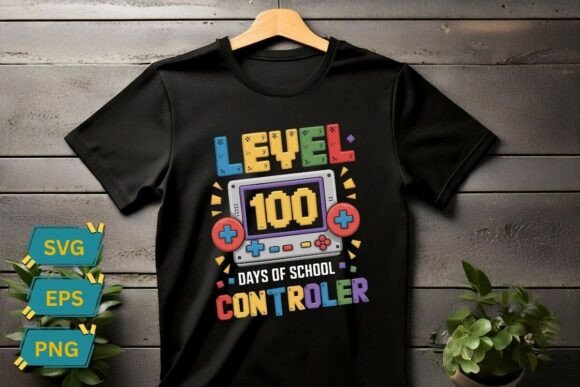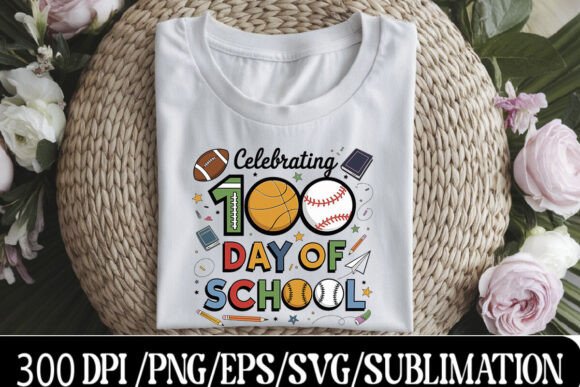
Happy 100th Day of School Celebration Review
As an embroidery designer who has spent years testing digital assets for real-world production, I approach every new download with a mix of excitement and skepticism. You want the design to look as good on the fabric as it does on the screen, but often, the translation from vector to thread is where things go wrong. Today, I am putting Happy 100th Day of School Celebration through its paces to see if it truly delivers on its promise of vibrant joy or if it falls short when the needle starts moving.
The first impression of this design is undeniably cheerful. The layout captures that specific energy of a milestone event, making it perfect for the 100th day of school. It feels less like a generic template and more like a piece of art ready to be stitched. However, looking at the visual personality, one must consider how those "vibrant" colors will translate into thread. In the world of machine embroidery, color separation is everything, and a design that looks flat in a digital preview might struggle to pop once stitched onto a textured surface.
Real-World Application: From Screen to Stitch
Imagine you are preparing for a busy week at your local craft fair or fulfilling orders for your Etsy shop. You need a custom embroidered tote bag for a parent's gift pack. This is where Happy 100th Day of School Celebration shines. The central theme is clear, and the text is legible enough to serve as a focal point on a canvas tote. When I visualize this on a sturdy cotton canvas, the design holds up well against the rougher texture of the fabric.
But let's take it further. What about a personalized sweatshirt for a classroom party? A child's oversized hoodie requires a design that can handle movement and stretching without puckering. The density of the fill stitches in this file needs careful consideration. If the stitch count is too high, the fabric will become stiff, ruining the drape of the garment. Conversely, if it is too sparse, the image will lack definition. Based on the description of capturing "joy and excitement," I expect a generous use of satin stitch for the outlines and fill stitch for the background elements. This combination usually creates a professional finish that appeals to parents looking for high-quality handmade products.
I also see potential here for baby items. A soft onesie or a nursery pillow cover could benefit from the gentle curves and celebratory nature of this graphic. The design works beautifully as a centerpiece for a "Baby's First 100 Days" or a school milestone project. However, for delicate baby fabrics, you would need to ensure the stabilizer choice is top-notch to prevent any damage to the knit material during the stitching process.
Where Caution is Required
Not every surface is created equal, and Happy 100th Day of School Celebration has limitations that a practical designer must respect. If you plan to use this on a curved surface like a baseball cap, you need to be very careful. The curvature of the crown can distort lettering, especially if the font style includes sharp angles or intricate details. On a small hoop size, such as those used for hats or patches, the design might feel cramped, forcing you to scale it down until the text becomes unreadable.
Textured fabrics present another challenge. While a smooth twill works wonders for embroidery, a heavily textured fleece or a thick wool blend can hide the fine details of the design. If the design relies on thin lines or tiny decorative accents, these elements may get lost in the pile of the fabric. Similarly, dark fabrics require a different approach. If the design uses light-colored threads without a sufficient underlay, the result could look washed out or muddy. Always test the thread color contrast before committing to a full run of custom apparel.
There is also the issue of durability. For products that need frequent washing, like kitchen towels or aprons, the stitch density matters immensely. If the design is too dense, it can cause the fabric to tear over time. If it is too loose, the stitches may snag easily. This is particularly relevant for commercial embroidery projects where customer satisfaction hinges on longevity.
Impact on Visual Appeal and Brand Value
In the competitive world of handmade goods, presentation is key. A well-executed embroidery design elevates the perceived value of your product. When a buyer sees a crisp, clean Happy 100th Day of School Celebration on a finished product, it signals professionalism and attention to detail. This builds trust and encourages repeat business. A sloppy execution, on the other hand, can make even the best idea look amateurish.
This design asset is versatile enough to support various branding strategies. Whether you are creating holiday gifts, boutique merchandise, or printable mockups for your online store, the cohesive look of the design helps maintain brand consistency. It allows you to create a collection of related items, such as matching aprons, tote bags, and wall hangings, all featuring the same joyful motif. This cohesion makes your shop look more established and reliable to potential buyers.
Practical Designer Notes for Success
Before you rush to load this file into your machine, there are several critical steps you must take. First, always test the design on scrap fabric. This simple step can save you hours of frustration and wasted materials. Check the thread color contrast by placing the fabric next to your intended thread spools; sometimes, colors look different on a monitor than they do in person.
Review the stitch density carefully. If the design seems overly dense, consider reducing the stitch length or adjusting the underlay settings to reduce bulk. Confirm the hoop size requirements; if the design is larger than your standard hoop, you may need to rehoop, which increases the risk of misalignment. Inspect small details closely, especially if you are planning to shrink the design for smaller items like patches or caps.
It is also wise to test the design in black and white mockups. This helps you see the structural integrity of the design without the distraction of color. Compare how it looks on both light and dark fabric backgrounds to ensure versatility. Use proper stabilizer—cut-away for stretchy fabrics and tear-away for stable wovens—to ensure the final product holds its shape.
Finally, verify the licensing terms. Are you allowed to sell finished items made with this embroidery file? Do you have the rights to use it in your digital product previews? These legal considerations are just as important as the technical setup. By taking these precautions, you ensure that Happy 100th Day of School Celebration serves as a reliable tool in your creative arsenal, helping you produce high-quality, profitable projects for your craft business.